Key Takeaways:-
- Great golf course architects balance creativity, playability, and environmental respect.
- The best designs work harmoniously with natural landscapes.
- Engineering and artistry must align for functional beauty.
- Sustainable practices ensure longevity and ecological balance.
- Collaboration and innovation define lasting golf course design excellence.
- FAQs
Designing a golf course is an art form that balances nature, creativity, and playability. Every golfer has walked onto a course and felt something magical—the perfect bend of a fairway, the strategic placement of a bunker, or the breathtaking view from a tee box. But behind every remarkable course lies the genius of a Golf Course Architect, someone who transforms raw land into a living, breathing experience.
Philosophy Behind Golf Course Architecture
A great Golf Course Architect begins with a philosophy—a belief system that guides their approach to design. The best in the business see golf courses not as mere playing fields but as stories written across the landscape. Each hole becomes a chapter, offering players challenges, rewards, and memorable moments.
At its core, golf course architecture isn’t just about beauty. It’s about balance. The layout must challenge skilled players while remaining enjoyable for beginners. This delicate equilibrium requires foresight and empathy, qualities that separate exceptional architects from the ordinary.
Great architects like Harry Colt, Donald Ross, and Alister MacKenzie believed that a course should look as though it had always existed in nature. They sculpted land with minimal disruption, preserving its character while enhancing its playability. That philosophy remains at the heart of every great design today.
Nature’s Blueprint for Better Design
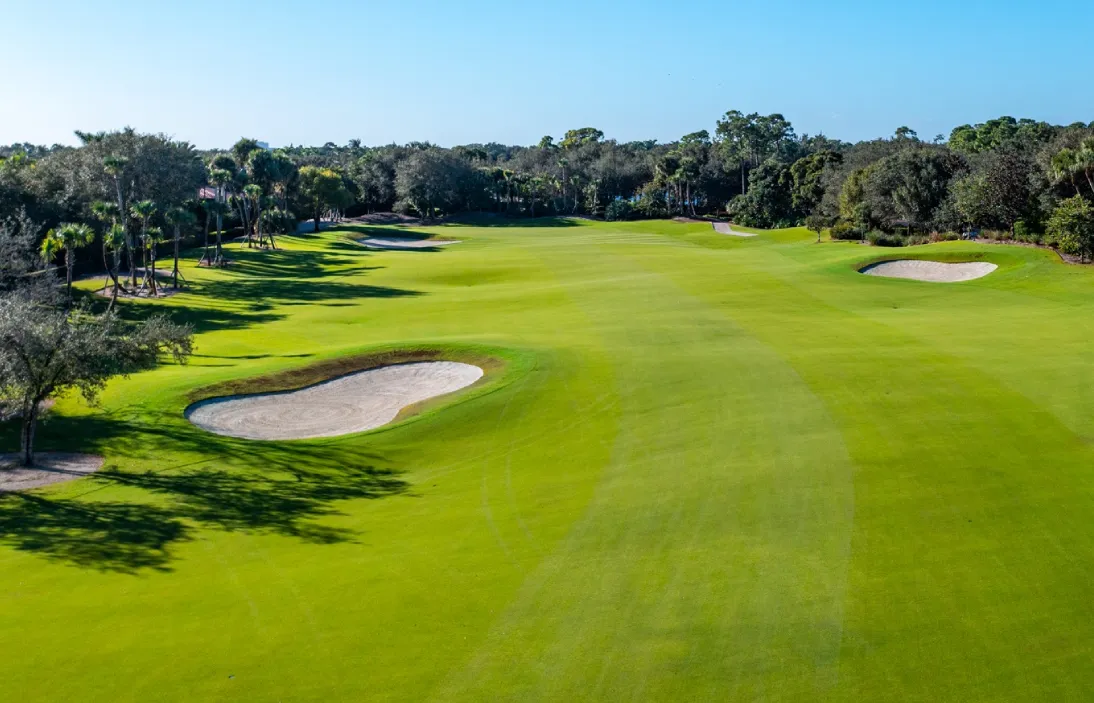
Before an architect draws a single line, they walk the land. The contours, soil, vegetation, and natural drainage patterns speak volumes. A skilled designer listens to what the land says, finding ways to enhance rather than overpower it. The most successful designs work with nature, not against it.
Every site presents its own story. A course in the dunes of Florida demands a different touch than one nestled among the rolling hills of Michigan. The best architects adapt their designs to the land’s personality, ensuring that each course feels distinct. This respect for terrain is what sets a true master apart.
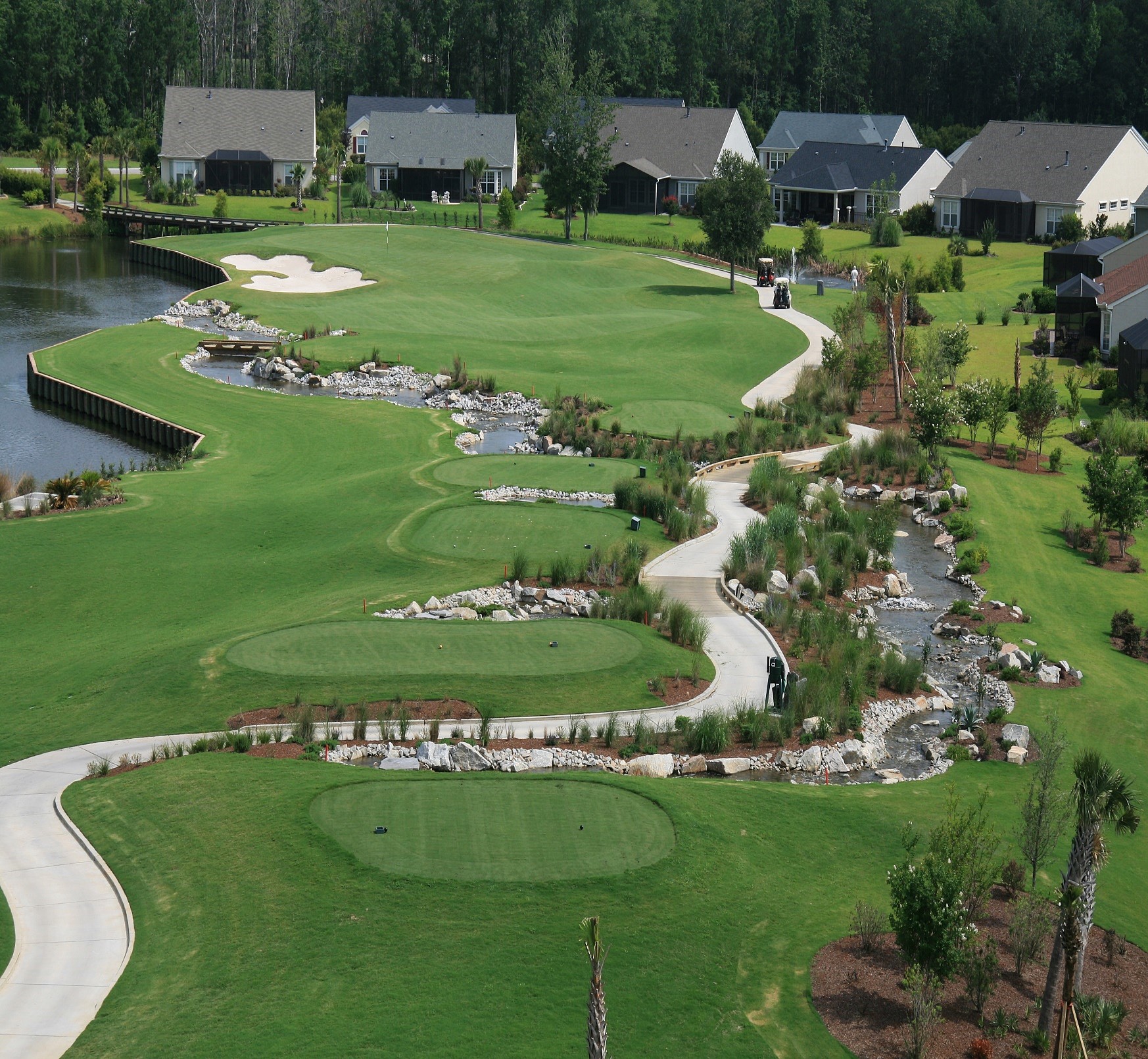
A great Golf Course Architect sees potential where others see obstacles. A slope becomes a thrilling dogleg. A stream transforms into a strategic hazard. Even the prevailing winds are used to challenge players in subtle ways. The course evolves naturally, reflecting the genius of the person shaping it.
Blending Art with Engineering
While artistry defines a golf course architect, engineering brings their vision to life. Precision in grading, drainage, and irrigation ensures that the course remains playable and sustainable year-round. Every curve and contour must not only look beautiful but also function perfectly.
Aesthetics and practicality often collide in design. A beautiful bunker might be placed in a way that disrupts natural water flow. The architect’s challenge is to harmonize form and function—creating courses that are as resilient as they are elegant.
Modern tools like 3D modeling, drone mapping, and digital terrain analysis have transformed how courses are designed. Yet, despite technological advances, the human touch remains irreplaceable. The best architects still rely on intuition and field experience, walking the course to make real-time adjustments that no computer could ever anticipate.
Psychology Behind Golf Course Design
A truly great golf course challenges the body and the mind. Architects must think like golfers, predicting decisions and emotional responses on every hole. How will the player feel standing on the tee box? What risk will they take when faced with water guarding the green?
This mental dimension of design distinguishes good architects from great ones. Every hazard, slope, and bunker placement must provoke thought. The architect’s job is to make golfers think strategically—to reward precision, creativity, and courage.
Courses designed with psychological intent tend to be the most memorable. They frustrate players one moment and inspire them the next. That emotional rollercoaster keeps golfers coming back, chasing the perfect round.
Sustainability and Environmental Responsibility
In today’s world, sustainability is no longer optional—it’s essential. Great golf course architects understand their responsibility to protect the environment while creating world-class playing experiences. Water conservation, native vegetation, and minimal earth movement are key priorities.
Sustainable design also ensures longevity. By working with natural drainage systems and choosing resilient turfgrasses, architects create courses that thrive for decades. Many of the best designs incorporate wildlife habitats, turning golf courses into ecological sanctuaries.
This respect for nature not only enhances the course’s beauty but also strengthens its identity. Golfers can feel the authenticity of a course that belongs to its environment, not one imposed upon it.
Collaboration
While the architect is the creative force behind the project, they rarely work alone. A successful design involves collaboration with engineers, agronomists, landscape specialists, and construction crews. The architect must lead this team, communicating a clear vision while remaining open to expert input.
This leadership requires humility and flexibility. Even the most experienced designers understand that no plan survives first contact with the land unchanged. On-site adjustments and refinements often turn good designs into great ones.
Great architects also form close relationships with club owners and stakeholders. They listen carefully to the client’s goals—whether it’s championship-level play, member enjoyment, or a course that attracts new golfers. Aligning artistic vision with practical needs is an art in itself.
Honoring Tradition While Embracing Innovation
Golf is steeped in history, and so is its architecture. The best architects study classic designs to understand what makes them timeless. Yet, they also push boundaries, incorporating modern techniques and fresh ideas.
Innovation doesn’t mean abandoning tradition. It means building upon it. Architects might experiment with new grass types, creative green complexes, or multi-functional landscapes that serve both golf and community needs. Balancing old and new keeps the sport alive and evolving.
In Michigan and Florida, for example, where diverse landscapes provide unique challenges, innovation often means adapting to local climates. In coastal regions, architects must account for salt-tolerant plants and shifting sands. In northern terrains, drainage and winterization become crucial considerations.
Learning from Industry Experts
When asked what defines a great architect, many industry veterans point to passion, patience, and perspective. Harry Bowers, a renowned figure in the field, often emphasized that design is about restraint—knowing when not to change the land. His approach reflects a philosophy rooted in respect for nature and playability.
Other experts stress creativity and the courage to take risks. The best designs often emerge from bold ideas that challenge convention. Yet, even these daring designs succeed because they never lose sight of the golfer’s experience.
Ultimately, the true test of an architect’s greatness lies in the players’ reactions. When golfers leave the course talking about the thrill of a certain hole, the beauty of a green complex, or the subtle strategy of a dogleg, the architect’s vision has succeeded.
Legacy of Great Design
Every great golf course tells a story—one that outlives its designer. The world’s best courses are timeless, evolving with each generation of players while retaining their original spirit. The architect’s legacy is measured not only in awards or recognition but in the joy and challenge experienced by those who walk their fairways.
The greatest architects are storytellers, engineers, artists, and environmentalists rolled into one. Their creations endure because they connect people with the landscape in meaningful ways. They remind us that golf is not just a sport—it’s an experience shaped by the harmony between man and nature.
Also Check: How Golf Course Renovation Can Boost Membership and Increase Revenue
FAQs
What is the role of a Golf Course Architect?
A Golf Course Architect designs and plans the layout, structure, and features of a golf course, blending artistic vision with environmental and engineering considerations.
How long does it take to design a golf course?
The timeline varies depending on the project’s complexity and location, but typically ranges from one to three years, including design, approval, and construction.
What makes a golf course design successful?
A successful Golf Course Design provides challenge, beauty, and sustainability, offering players both mental and physical engagement across every hole.
How do architects ensure sustainability in modern golf courses?
Architects prioritize natural drainage, native plants, and efficient irrigation to minimize environmental impact and maintain long-term course health.
So, what truly makes a great Golf Course Architect? It’s the fusion of vision, skill, and sensitivity. It’s the ability to see beyond the land’s surface, to craft experiences that stir emotion and challenge intellect. Great architects don’t just design courses—they design memories. If you’re looking for a golf course architect, Signature Design Services provides the best experts to design the perfect golf course. Contact them today via email or call 561-262-2673.