
Signature Design Services

How to Choose the Right Architect for Your Next Golf Course Design

Key Takeaways:-

  • Choosing the right architect requires aligning vision, budget, and long-term goals to create a course that performs well and remains enjoyable for decades.
  • Experience with similar projects helps ensure smoother execution, better decision-making, and fewer surprises during construction and development phases.
  • Strong communication and collaboration are essential to avoid costly mistakes and ensure the final design reflects your expectations accurately.
  • Environmental awareness and site-specific knowledge lead to sustainable designs that blend naturally with the land and reduce maintenance challenges.
  • Trust, reputation, and professional chemistry often determine the long-term success of the relationship and the quality of the finished course.
  • FAQs

Choosing the right professional to shape your golf course is one of the most important decisions you will ever make for your property. A golf course is not just a playing field. It is a long-term investment that affects member satisfaction, maintenance costs, environmental impact, and the overall reputation of your club. The decisions made during planning will influence how golfers experience the course for decades. This is why selecting the right requires careful thought, research, and a clear understanding of your goals.

Role of a Golf Course Architect

Before beginning the selection process, it is important to fully understand what an architect actually does. A professional in this field is responsible for shaping the land, routing holes, designing greens and hazards, and ensuring the course flows naturally within its surroundings. Beyond visual appeal, they must balance playability, challenge, safety, and sustainability. A strong golf course architect also understands budgets, construction timelines, and how design choices affect long-term maintenance.

Defining Your Vision and Objectives

Every successful project begins with a clear vision. Some clubs want to create a championship-level layout that attracts tournaments, while others aim to improve daily play for members of all skill levels. You may be restoring a historic course or planning a modern layout from scratch. Defining these objectives early helps ensure alignment with the professional you choose. When your goals are clear, conversations about golf course design become more productive and focused.

Evaluating Experience and Past Projects

Experience matters greatly in golf course development. Reviewing an architect’s previous work provides insight into their style, creativity, and technical ability. Look closely at projects similar to yours in size, budget, and terrain. Pay attention to how courses have aged over time, not just how they looked at opening. An experienced professional will show consistency, adaptability, and respect for the land, all of which are essential for long-lasting golf course design success.

Assessing Design Philosophy and Compatibility

Every architect has a unique approach to design. Some prioritize strategic shot values, while others emphasize natural aesthetics or environmental integration. The key is finding someone whose philosophy aligns with your club’s culture and player expectations. During discussions, listen carefully to how they describe their work and how they respond to your ideas. The best partnerships are collaborative, built on shared values and mutual respect rather than rigid design rules.

Communication Style and Collaboration

Clear communication is often overlooked, yet it is vital throughout the design and construction process. Your architect should be able to explain ideas in simple terms and listen carefully to feedback from stakeholders. Miscommunication can lead to costly changes or disappointment with the final result. A professional who communicates openly and consistently helps ensure that your golf course architect truly understands your needs and delivers a course that meets expectations.

Knowledge of Site Conditions and Environment

Every site presents unique challenges, from soil composition and drainage to climate and native vegetation. A qualified architect studies these factors thoroughly before finalizing any plans. Their understanding of environmental considerations helps minimize disruption while maximizing natural features. This thoughtful approach leads to a course that feels organic and sustainable rather than forced. Strong environmental awareness is a hallmark of responsible golf course design.

Budget Awareness and Cost Management

A well-designed course does not have to exceed its budget. The right architect understands how to balance creativity with financial responsibility. They should be transparent about costs and willing to adjust plans without compromising quality. Ask detailed questions about construction phases, material choices, and long-term maintenance implications. An architect who respects your financial boundaries will help protect your investment while still delivering exceptional results.

Long-Term Maintenance Considerations

Design decisions directly affect how easy or difficult a course is to maintain. Green sizes, bunker placement, turf selection, and drainage all play a role in ongoing costs. An experienced professional considers these factors from the beginning. Their goal is to create a course that remains playable and visually appealing without excessive maintenance demands. This practical mindset is essential when choosing a golf course architect.

Reputation and Industry Relationships

An architect’s reputation within the golf industry speaks volumes. Positive relationships with builders, superintendents, and club managers indicate professionalism and reliability. Take time to speak with past clients and ask about their overall experience. Honest feedback can reveal strengths and potential concerns that may not be obvious from a portfolio alone. A respected name often reflects years of successful golf course design projects.

Adaptability and Problem-Solving Skills

No golf course project is without challenges. Unexpected site conditions, weather delays, or budget adjustments can arise at any stage. The right architect remains calm under pressure and finds creative solutions. Their ability to adapt without compromising the original vision is crucial. This flexibility ensures that the final course remains true to its purpose even when obstacles appear.

Understanding the Player Experience

At its core, a golf course exists for the players. A thoughtful architect designs holes that offer strategic options, fairness, and enjoyment for golfers of all abilities. They consider sightlines, walkability, and pace of play. When evaluating candidates, ask how they approach player experience and balance challenge with fun. A great course invites golfers to return again and again.

Importance of Trust and Professional Chemistry

Beyond credentials and experience, trust plays a major role in any successful partnership. You should feel confident in your architect’s judgment and comfortable sharing concerns openly. Strong professional chemistry fosters collaboration and reduces stress throughout the project. When trust is present, decisions are made more efficiently, and the process becomes far more rewarding.

Making the Final Decision

Choosing the right architect is not about selecting the most famous name or the lowest fee. It is about finding a professional who understands your vision, respects your resources, and brings proven expertise to the table. Take your time, ask thoughtful questions, and evaluate each candidate carefully. The right choice will result in a course that stands the test of time.

Also Check: How Golf Course Design Impacts Pace of Play More Than You Think

FAQs

How long does it typically take to design a golf course?

The design phase can range from several months to over a year, depending on project complexity, site conditions, approvals, and the level of detail required before construction begins.

Should I prioritize experience or creativity when choosing an architect?

Both matter, but experience ensures reliability and problem-solving skills, while creativity enhances uniqueness. The ideal choice balances proven expertise with innovative thinking.

How involved should club leadership be during the design process?

Active involvement is encouraged, especially during early planning stages, to ensure the design aligns with club goals, member expectations, and operational requirements.

Can an architect help control long-term maintenance costs?

Yes, thoughtful design decisions regarding turf, drainage, and layout directly influence maintenance efficiency and costs over the life of the course.
A golf course is more than a layout of holes. It is a legacy that reflects your club’s values and commitment to excellence. Partner with Signature Design Services to create a timeless golf course that blends strategy, beauty, and sustainability through expert planning and proven architectural experience. Contact today via email or call 561-262-2673.

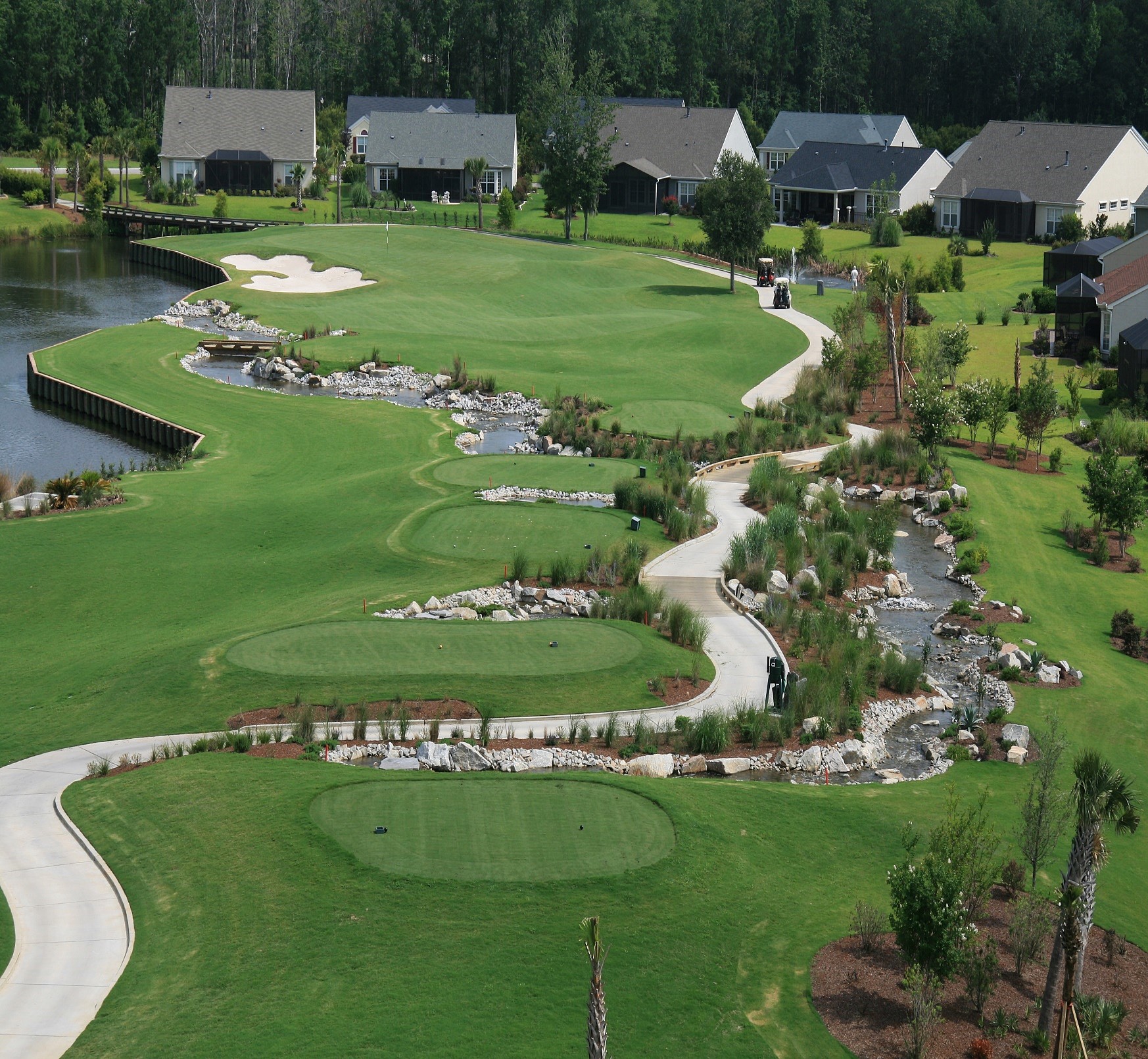
How Golf Course Design Impacts Pace of Play More Than You Think

Key Takeaways:-

  • Golf course layout directly influences how quickly players move from tee to green without feeling rushed.
  • Clear sightlines and logical routing reduce hesitation and unnecessary delays during a round.
  • Strategic fairway width and hazard placement minimize ball searches and recovery time.
  • Thoughtful green design keeps efficiency while maintaining challenge and interest.
  • Professional planning improves pace naturally, benefiting both golfers and course operations.
  • FAQs

The pace of play has become one of the most discussed issues in modern golf. Players want enjoyable rounds that do not drag on for five hours. Course owners want satisfied golfers, repeat tee times, and efficient daily operations. While many people blame slow play on a golfer’s skill level or course management policies, the truth is far more complex. The way a course is planned, shaped, and refined has a powerful influence on how quickly or slowly a round unfolds. Thoughtful Golf Course Design can quietly guide players forward, while poor design decisions can create bottlenecks that frustrate everyone involved.

Why Pace of Play Matters More Than Ever

Modern golfers have different expectations than players did decades ago. Many are balancing family, work, and limited leisure time. When rounds run long, enjoyment drops. Frustration rises. Some players simply choose not to return. Slow play also reduces how many groups a course can host in a day, directly impacting revenue.

A well‑paced round creates a sense of momentum. Players feel engaged, challenged, and relaxed all at once. Achieving that balance rarely happens by accident. It is the result of careful planning that considers human behavior just as much as strategy and scenery.

Invisible Role of Design in Player Flow

Most golfers do not consciously notice design elements that influence pace. They simply react to them. Long walks between holes, blind landing areas, awkward transitions, and overly penal hazards all slow players down in subtle but cumulative ways. Smart Golf Course Design anticipates how golfers move, think, and make decisions. When players can clearly see where to go, understand where trouble lies, and progress naturally from shot to shot, the game moves faster without feeling rushed.

Tee Placement and Its Effect on Speed

Teeing grounds are often overlooked when discussing the pace of play. Yet their placement has a major impact. When tees are too far apart or poorly aligned with landing zones, delays happen immediately. Groups spend extra time waiting, searching for balls, or debating club choices. Properly positioned tees allow golfers of different skill levels to play from appropriate distances. This reduces lost balls, minimizes forced carries that slow less experienced players, and keeps everyone moving at a steady rhythm.

Fairway Width and Strategic Options

Narrow fairways may look challenging, but excessive punishment often slows play more than it improves competition. When golfers constantly search for balls or take extra shots from difficult lies, pace suffers. Wider fairways placed in strategic locations encourage confident swings and quicker decision‑making. Players spend less time searching and more time playing. Strategy remains intact without sacrificing enjoyment or speed.

Bunker Placement and Recovery Time

Bunkers are essential to challenge and visual interest, but their placement matters greatly. Deep or numerous bunkers in landing zones can lead to repeated delays as players enter, exit, rake, and replay shots. Thoughtful bunker positioning maintains challenge while reducing unnecessary recovery time. When hazards are visible, fair, and purposeful, golfers understand the risk and accept the outcome, keeping the round moving.

Greens That Encourage Continuous Play

Green complexes play a significant role in the pace of play. Overly severe slopes, confusing contours, or difficult access points can slow down even skilled players. Long walks from greens to the next tee also add hidden minutes to every round.

Designing greens that reward good shots without excessive punishment allows players to putt confidently and finish holes efficiently. Clear exits from greens guide groups smoothly toward the next challenge.

Sightlines and Visual Clarity

One of the most underrated factors in the pace of play is visibility. When golfers cannot see where to hit or where to go next, hesitation sets in. Players wait for signals, walk ahead to scout shots, or second‑guess decisions. Courses that provide clear sightlines naturally speed up play. When players can see fairways, hazards, and targets, they commit to shots faster and keep moving forward.

Routing and the Natural Rhythm of a Round

Routing refers to how holes are arranged across the property. Poor routing can force long walks, awkward crossings, and confusing transitions. Each interruption breaks momentum and adds time. Effective routing creates a natural rhythm. Holes flow logically from one to the next. Walks are short and intuitive. Players remain engaged without feeling rushed or delayed.

Decision‑Making and Mental Pace

Golf is as much mental as it is physical. When a hole presents too many options or an unclear strategy, players slow down to think. While challenge is important, confusion is not. Strong Golf Course Design simplifies decisions without removing depth. Golfers understand the risk and reward quickly. Fewer doubts lead to faster play and more confident swings.

How Professional Expertise Shapes Faster Play

Designing for the pace of play requires experience. It involves understanding golfer psychology, maintenance realities, and long‑term usage patterns. This is where a skilled Golf Course Architect becomes invaluable.

A professional looks beyond individual holes and evaluates the entire experience. They identify potential choke points before construction begins. They anticipate how different skill levels will interact with the course. Their expertise turns theory into practical results.

Renovations That Improve Pace Without Changing Identity

Many older courses struggle with pace because they were built for a different era of equipment and player ability. Renovation does not mean losing character. Strategic updates can dramatically improve flow while preserving history.

Adjusting tee positions, reshaping select fairways, improving transitions, and refining greens can shave significant time off a round. These changes often go unnoticed by casual players but make a noticeable difference in overall experience.

Business Benefits of Faster Rounds

Improved pace of play is not just a player benefit. It directly impacts operations. Faster rounds allow for better tee time spacing, increased daily capacity, and smoother staff scheduling. Satisfied golfers stay longer at the clubhouse, recommend the course to friends, and return more often. Over time, these factors contribute to stronger financial performance and a better reputation.

Long‑Term Thinking and Sustainable Design

Courses designed with pace in mind tend to age better. They adapt more easily to changing player demographics and evolving equipment. Maintenance becomes more efficient. Staff can focus on quality rather than constant problem-solving. A forward‑thinking Golf Course Architect considers not only today’s golfers but tomorrow’s as well. This long‑term vision ensures that the pace of play remains manageable for decades.

FAQs

Can course design really affect pace more than player behavior?

Yes. While player habits matter, design shapes decision‑making, visibility, and movement. A well‑designed course naturally encourages faster play even among average golfers.

Do wider fairways always mean faster rounds?

Not always, but strategically widened landing areas reduce lost balls and hesitation, which helps maintain momentum without removing challenge.

Can existing courses improve pace without a full redesign?

Absolutely. Targeted renovations such as tee adjustments, improved transitions, and refined greens can significantly enhance flow without altering a course’s identity.

Why should owners consult a professional architect for pace issues?

A trained architect identifies hidden bottlenecks and long‑term solutions that course staff may overlook, leading to sustainable improvements in pace and player satisfaction.
The pace of play is not an accident. It is the outcome of hundreds of decisions made during planning and refinement. From tee placement to routing, from sightlines to greens, every detail matters. Improve pace, player satisfaction, and daily revenue by partnering with Signature Design Services for expert golf course design solutions today. Contact them now via email or call 561-262-2673.

What Makes a Great Golf Course Architect? Inside the Mind of Industry Experts

Key Takeaways:-

  • Great golf course architects balance creativity, playability, and environmental respect.
  • The best designs work harmoniously with natural landscapes.
  • Engineering and artistry must align for functional beauty.
  • Sustainable practices ensure longevity and ecological balance.
  • Collaboration and innovation define lasting golf course design excellence.
  • FAQs

Designing a golf course is an art form that balances nature, creativity, and playability. Every golfer has walked onto a course and felt something magical—the perfect bend of a fairway, the strategic placement of a bunker, or the breathtaking view from a tee box. But behind every remarkable course lies the genius of a Golf Course Architect, someone who transforms raw land into a living, breathing experience.

Philosophy Behind Golf Course Architecture

A great Golf Course Architect begins with a philosophy—a belief system that guides their approach to design. The best in the business see golf courses not as mere playing fields but as stories written across the landscape. Each hole becomes a chapter, offering players challenges, rewards, and memorable moments.

At its core, golf course architecture isn’t just about beauty. It’s about balance. The layout must challenge skilled players while remaining enjoyable for beginners. This delicate equilibrium requires foresight and empathy, qualities that separate exceptional architects from the ordinary.

Great architects like Harry Colt, Donald Ross, and Alister MacKenzie believed that a course should look as though it had always existed in nature. They sculpted land with minimal disruption, preserving its character while enhancing its playability. That philosophy remains at the heart of every great design today.

Nature’s Blueprint for Better Design

Before an architect draws a single line, they walk the land. The contours, soil, vegetation, and natural drainage patterns speak volumes. A skilled designer listens to what the land says, finding ways to enhance rather than overpower it. The most successful designs work with nature, not against it.

Every site presents its own story. A course in the dunes of Florida demands a different touch than one nestled among the rolling hills of Michigan. The best architects adapt their designs to the land’s personality, ensuring that each course feels distinct. This respect for terrain is what sets a true master apart.

A great Golf Course Architect sees potential where others see obstacles. A slope becomes a thrilling dogleg. A stream transforms into a strategic hazard. Even the prevailing winds are used to challenge players in subtle ways. The course evolves naturally, reflecting the genius of the person shaping it.

Blending Art with Engineering

While artistry defines a golf course architect, engineering brings their vision to life. Precision in grading, drainage, and irrigation ensures that the course remains playable and sustainable year-round. Every curve and contour must not only look beautiful but also function perfectly.

Aesthetics and practicality often collide in design. A beautiful bunker might be placed in a way that disrupts natural water flow. The architect’s challenge is to harmonize form and function—creating courses that are as resilient as they are elegant.

Modern tools like 3D modeling, drone mapping, and digital terrain analysis have transformed how courses are designed. Yet, despite technological advances, the human touch remains irreplaceable. The best architects still rely on intuition and field experience, walking the course to make real-time adjustments that no computer could ever anticipate.

Psychology Behind Golf Course Design

A truly great golf course challenges the body and the mind. Architects must think like golfers, predicting decisions and emotional responses on every hole. How will the player feel standing on the tee box? What risk will they take when faced with water guarding the green?

This mental dimension of design distinguishes good architects from great ones. Every hazard, slope, and bunker placement must provoke thought. The architect’s job is to make golfers think strategically—to reward precision, creativity, and courage.

Courses designed with psychological intent tend to be the most memorable. They frustrate players one moment and inspire them the next. That emotional rollercoaster keeps golfers coming back, chasing the perfect round.

Sustainability and Environmental Responsibility

In today’s world, sustainability is no longer optional—it’s essential. Great golf course architects understand their responsibility to protect the environment while creating world-class playing experiences. Water conservation, native vegetation, and minimal earth movement are key priorities.

Sustainable design also ensures longevity. By working with natural drainage systems and choosing resilient turfgrasses, architects create courses that thrive for decades. Many of the best designs incorporate wildlife habitats, turning golf courses into ecological sanctuaries.

This respect for nature not only enhances the course’s beauty but also strengthens its identity. Golfers can feel the authenticity of a course that belongs to its environment, not one imposed upon it.

Collaboration

While the architect is the creative force behind the project, they rarely work alone. A successful design involves collaboration with engineers, agronomists, landscape specialists, and construction crews. The architect must lead this team, communicating a clear vision while remaining open to expert input.

This leadership requires humility and flexibility. Even the most experienced designers understand that no plan survives first contact with the land unchanged. On-site adjustments and refinements often turn good designs into great ones.

Great architects also form close relationships with club owners and stakeholders. They listen carefully to the client’s goals—whether it’s championship-level play, member enjoyment, or a course that attracts new golfers. Aligning artistic vision with practical needs is an art in itself.

Honoring Tradition While Embracing Innovation

Golf is steeped in history, and so is its architecture. The best architects study classic designs to understand what makes them timeless. Yet, they also push boundaries, incorporating modern techniques and fresh ideas.

Innovation doesn’t mean abandoning tradition. It means building upon it. Architects might experiment with new grass types, creative green complexes, or multi-functional landscapes that serve both golf and community needs. Balancing old and new keeps the sport alive and evolving.

In Michigan and Florida, for example, where diverse landscapes provide unique challenges, innovation often means adapting to local climates. In coastal regions, architects must account for salt-tolerant plants and shifting sands. In northern terrains, drainage and winterization become crucial considerations.

Learning from Industry Experts

When asked what defines a great architect, many industry veterans point to passion, patience, and perspective. Harry Bowers, a renowned figure in the field, often emphasized that design is about restraint—knowing when not to change the land. His approach reflects a philosophy rooted in respect for nature and playability.

Other experts stress creativity and the courage to take risks. The best designs often emerge from bold ideas that challenge convention. Yet, even these daring designs succeed because they never lose sight of the golfer’s experience.

Ultimately, the true test of an architect’s greatness lies in the players’ reactions. When golfers leave the course talking about the thrill of a certain hole, the beauty of a green complex, or the subtle strategy of a dogleg, the architect’s vision has succeeded.

Legacy of Great Design

Every great golf course tells a story—one that outlives its designer. The world’s best courses are timeless, evolving with each generation of players while retaining their original spirit. The architect’s legacy is measured not only in awards or recognition but in the joy and challenge experienced by those who walk their fairways.

The greatest architects are storytellers, engineers, artists, and environmentalists rolled into one. Their creations endure because they connect people with the landscape in meaningful ways. They remind us that golf is not just a sport—it’s an experience shaped by the harmony between man and nature.

Also Check: How Golf Course Renovation Can Boost Membership and Increase Revenue

FAQs

What is the role of a Golf Course Architect?

A Golf Course Architect designs and plans the layout, structure, and features of a golf course, blending artistic vision with environmental and engineering considerations.

How long does it take to design a golf course?

The timeline varies depending on the project’s complexity and location, but typically ranges from one to three years, including design, approval, and construction.

What makes a golf course design successful?

A successful Golf Course Design provides challenge, beauty, and sustainability, offering players both mental and physical engagement across every hole.

How do architects ensure sustainability in modern golf courses?

Architects prioritize natural drainage, native plants, and efficient irrigation to minimize environmental impact and maintain long-term course health.
So, what truly makes a great Golf Course Architect? It’s the fusion of vision, skill, and sensitivity. It’s the ability to see beyond the land’s surface, to craft experiences that stir emotion and challenge intellect. Great architects don’t just design courses—they design memories. If you’re looking for a golf course architect, Signature Design Services provides the best experts to design the perfect golf course. Contact them today via email or call 561-262-2673.
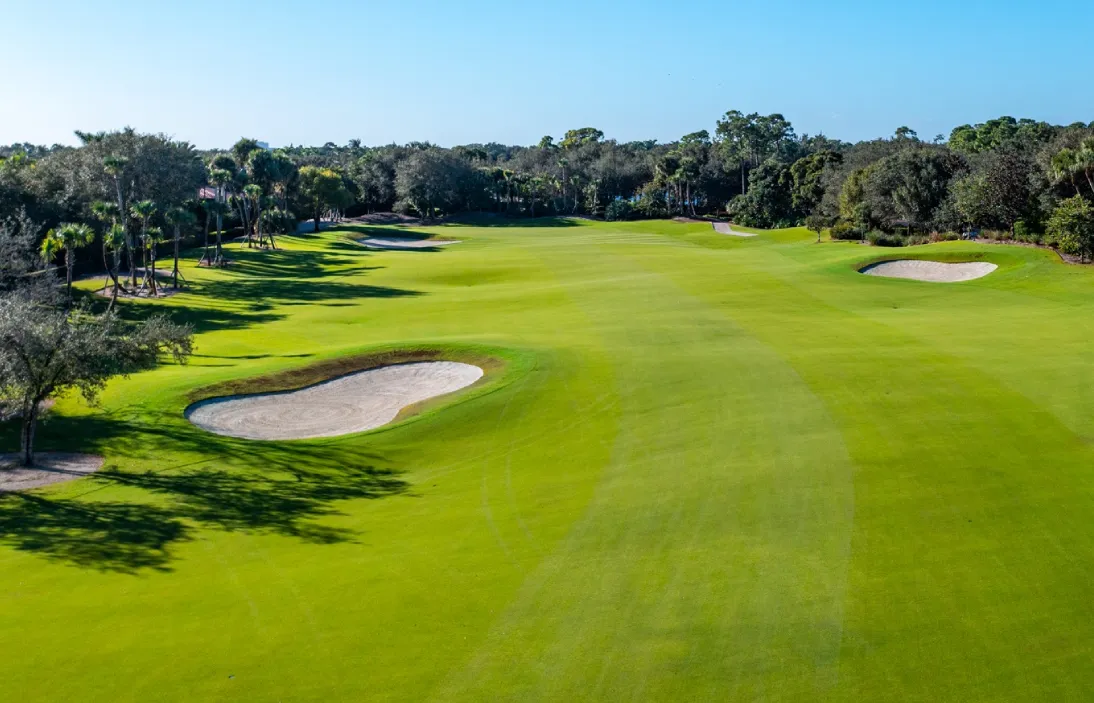
How Golf Course Renovation Can Boost Membership and Increase Revenue

Key Takeaways:-

  • Renovations enhance aesthetics, playability, and overall member satisfaction instantly.
  • Modernized designs attract younger golfers seeking fresh experiences.
  • Investments in sustainability cut costs and boost reputation.
  • Renovated courses justify premium fees and increased memberships.
  • Professional architects ensure long-lasting value and strategic improvements.
  • FAQs

Golf is more than a sport. It is an experience, a lifestyle, and a community. For clubs and resorts, the golf course itself is the centerpiece that defines member satisfaction and long-term loyalty. However, even the most beautiful layouts eventually show signs of aging. Greens lose their smoothness, bunkers deteriorate, and irrigation systems become outdated. This is where the importance of golf course renovation comes into play. Renovation not only revitalizes a course’s look and playability but also directly influences its ability to attract new members and boost revenue.

Why Renovation Matters More Than Ever

Golfers today expect high standards. With the rise of technology, social media, and competitive travel destinations, players are more selective than ever about where they choose to spend their time and money. When a course feels outdated, with poor drainage, overgrown hazards, or uninspiring layouts, members notice quickly. They may begin looking elsewhere for a better golfing experience.

A well-planned golf course renovation addresses these issues head-on. Renovations breathe life into the course, ensuring modern standards of play while also improving aesthetics. A refreshed course tells both current and prospective members that the club is serious about providing an exceptional experience.

First Impressions and Member Retention

The first thing players notice when they arrive at a club is the condition of the course. Members who invest in annual fees expect to see value for their money, and an outdated facility sends the wrong message. Renovation projects, whether large or small, immediately demonstrate a commitment to quality.

For example, improving bunkers, updating greens, and enhancing landscaping are visible changes that spark excitement. Members feel proud of their club and are more likely to stay loyal when they see continuous improvements. This pride often translates into word-of-mouth promotion, which can be more effective than any marketing campaign.

Attracting New Members

Membership growth is a constant challenge for many golf clubs. Younger generations, in particular, are looking for modern, engaging facilities that match their lifestyle. Renovation offers the chance to reposition a course to appeal to these demographics.

New features such as eco-friendly designs, strategic bunker placement, or even redesigned tees for different skill levels make the course more accessible and appealing to a wider audience. A refreshed course also makes a strong first impression on visiting guests, many of whom may consider joining as full members after experiencing the upgrades.

Revenue Connection

Renovation projects often pay for themselves through increased revenue streams. A modernized course attracts more daily fee players, outings, and tournaments. These events not only generate direct revenue but also introduce new players to the facility.

Additionally, clubs that invest in renovations can justify higher membership fees. When players see tangible improvements—better greens, improved bunkers, and enhanced amenities—they perceive greater value and are more willing to pay a premium. In many cases, members who were considering leaving are convinced to stay once they see the investment in the future of the course.

Enhancing Playability and Challenge

One of the most important aspects of renovation is improving playability. Golfers want a fair yet challenging course. Renovations allow architects to update layouts, reposition hazards, and refine green complexes to ensure that the course remains competitive and enjoyable.

Strategic renovations can also modernize a course to match today’s equipment and playing styles. With longer drives and more advanced technology, older designs may feel outdated. Renovations allow clubs to restore balance, ensuring the course continues to challenge skilled players while remaining enjoyable for beginners.

Renovation and Aesthetics

A golf course is more than a sporting venue; it is also a landscape masterpiece. Renovation enhances the visual appeal of a course by improving bunker lines, reshaping fairways, and refreshing natural areas. These upgrades not only make the course look more attractive but also elevate the overall experience for players.

Well-maintained, visually appealing courses are often featured in golf publications, travel guides, and social media posts. This visibility attracts new visitors and can significantly boost the club’s reputation.

Sustainability and Environmental Responsibility

Today’s golfers are more environmentally conscious, and courses that prioritize sustainability often stand out. Renovation provides the perfect opportunity to integrate eco-friendly practices, such as advanced irrigation systems, drought-resistant grasses, and better drainage solutions.

These improvements not only reduce environmental impact but also cut long-term operating costs. By showcasing sustainable practices, clubs appeal to eco-minded members while demonstrating responsibility to the broader community.

Marketing Through Renovation

Renovation creates a powerful marketing story. Announcing major improvements builds anticipation and generates buzz. Clubs can leverage renovation projects in promotional campaigns, newsletters, and social media updates, giving members and prospects reasons to stay engaged.

Grand reopening events, tournament celebrations, and media coverage highlight the investment in quality, making the renovation itself a revenue-driving opportunity. Players are eager to experience a revitalized course, and this curiosity often translates into increased rounds, new memberships, and higher revenues.

Role of Professional Architects

While maintenance crews handle daily upkeep, large-scale renovations often require the expertise of experienced golf course architects. These professionals understand how design choices impact playability, aesthetics, and sustainability. Working with architects ensures that the renovation isn’t just cosmetic but strategically improves the overall golf experience.

From reshaping bunkers to designing new green complexes, architects add long-term value. Their expertise guarantees that renovations not only address current issues but also prepare the course for future generations of golfers.

Overcoming Concerns About Renovation Costs

One of the biggest hesitations clubs face is the cost of renovation. However, these investments should be viewed not as expenses but as long-term strategies. The return on investment often comes quickly, especially when the upgrades attract new members, retain current ones, and justify premium pricing.

Financing options, phased renovations, and partnerships with design firms make it possible for clubs of all sizes to pursue improvements without overwhelming budgets. The key is careful planning, clear communication with members, and demonstrating the value of the upgrades.

FAQs

How often should a golf course be renovated?

Most courses benefit from significant renovations every 10–15 years, depending on usage and climate.

Does renovation really increase membership numbers?

Yes, renovated courses are more appealing to both prospective and current members, often leading to growth.

Are renovations financially sustainable for small clubs?

Absolutely. Phased renovations and smart planning allow smaller clubs to modernize without straining budgets.

How do renovations affect tournament hosting opportunities?

Renovated courses with modern facilities are more likely to attract tournaments, which increase revenue and exposure.
Golf courses are living, breathing assets that require attention and care. Allowing them to age without investment risks losing members, revenue, and reputation. Renovation is not just about fixing worn-out features; it is about reimagining the course to meet modern expectations, enhance playability, and secure long-term success. If you’re looking for a golf course renovation,Signature Design Services provides the best experts to design the perfect golf course. Contact them today via email or call 561-262-2673.